Research Areas

/
Disruptive Technology & Nuclear Risks

Disruptive Technology & Nuclear Risks

Emerging and Disruptive Technologies are creating new escalation risks. APLN examines the impact of technology-nuclear nexus on strategic stability and measures to eliminate nuclear risks.

Featured

by Sang-Hyun LEE and Eunjung LIM     |
Over 80 members of the Asia-Pacific Leadership Network warn that a return to nuclear testing threatens global stability and call upon all nuclear armed states to reaffirm
by Innocentia ATCHAYA     |
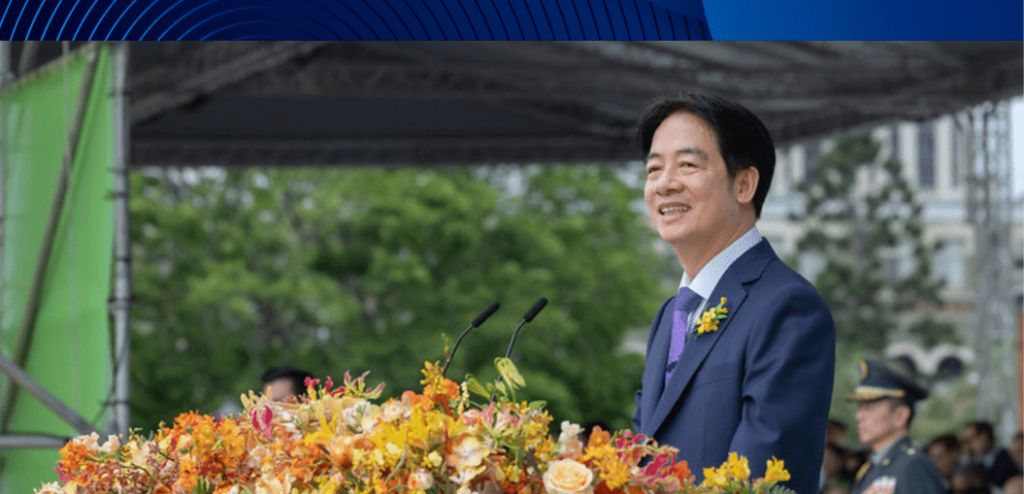
Kristy Tsun-Tzu Hsu writes on the evolving cross-strait relations under the Lai Ching-Te administration, examining how Taiwan’s political landscape and public opinion are shaping the island’s future amid rising tensions with China.

Related Projects

APLN has worked with partners in the Asia-Pacific, Europe, and the United States to highlight the benefits of independent, internal “fail-safe” reviews in nuclear-armed states. Fail-safe reviews are aimed at strengthening safeguards to prevent unauthorized, inadvertent, or mistaken use of a nuclear weapon, including through false warning of an attack. These reviews would be effective unilateral nuclear risk-reduction steps, not requiring any negotiation, treaty, or verification.
The Nuclear Order in East Asia project explores the evolving perceptions of the role of nuclear weapons in national and regional security. The project addresses evolving views on US extended deterrence, China’s nuclear modernisation, North Korea’s nuclear program, and regional debates on nuclear latency.

Publications

by Sang-Hyun LEE and Eunjung LIM
|
Over 80 members of the Asia-Pacific Leadership Network warn that a return to nuclear testing threatens global stability and call upon all nuclear armed states to reaffirm
by Nobuyasu ABE
|
Kazuko Ito argues that Japan, as the only country to have suffered from nuclear warfare, must take a leading role in preventing nuclear war and achieving a nuclear-free world by joining the TPNW, emphasising the growing need for global nuclear disarmament.
by Hyun CHO, Jina KIM and Sang-Hyun LEE
|
Five international security experts discuss efforts to advance gender equality and expand leadership opportunities for women in the field, as well as the steps needed to accelerate progress.
by Innocentia ATCHAYA
|
Kristy Tsun-Tzu Hsu writes on the evolving cross-strait relations under the Lai Ching-Te administration, examining how Taiwan’s political landscape and public opinion are shaping the island’s future amid rising tensions with China.

Key Contributors

Feminist Researcher; Digital Communications Officer at the British High Commission in India
Japan
Country: Korea
Eunjung Lim is a Professor at the Division of International Studies, Kongju National University (KNU).
Korea
Country: Korea
Dr. Lee Sang-Hyun is a Senior Research Fellow at the Sejong Institute in Korea.
Korea
Country: Korea
Prof. Jina Kim is Dean of Language and Diplomacy Division at Hankuk University of Foreign Studies.
Korea