


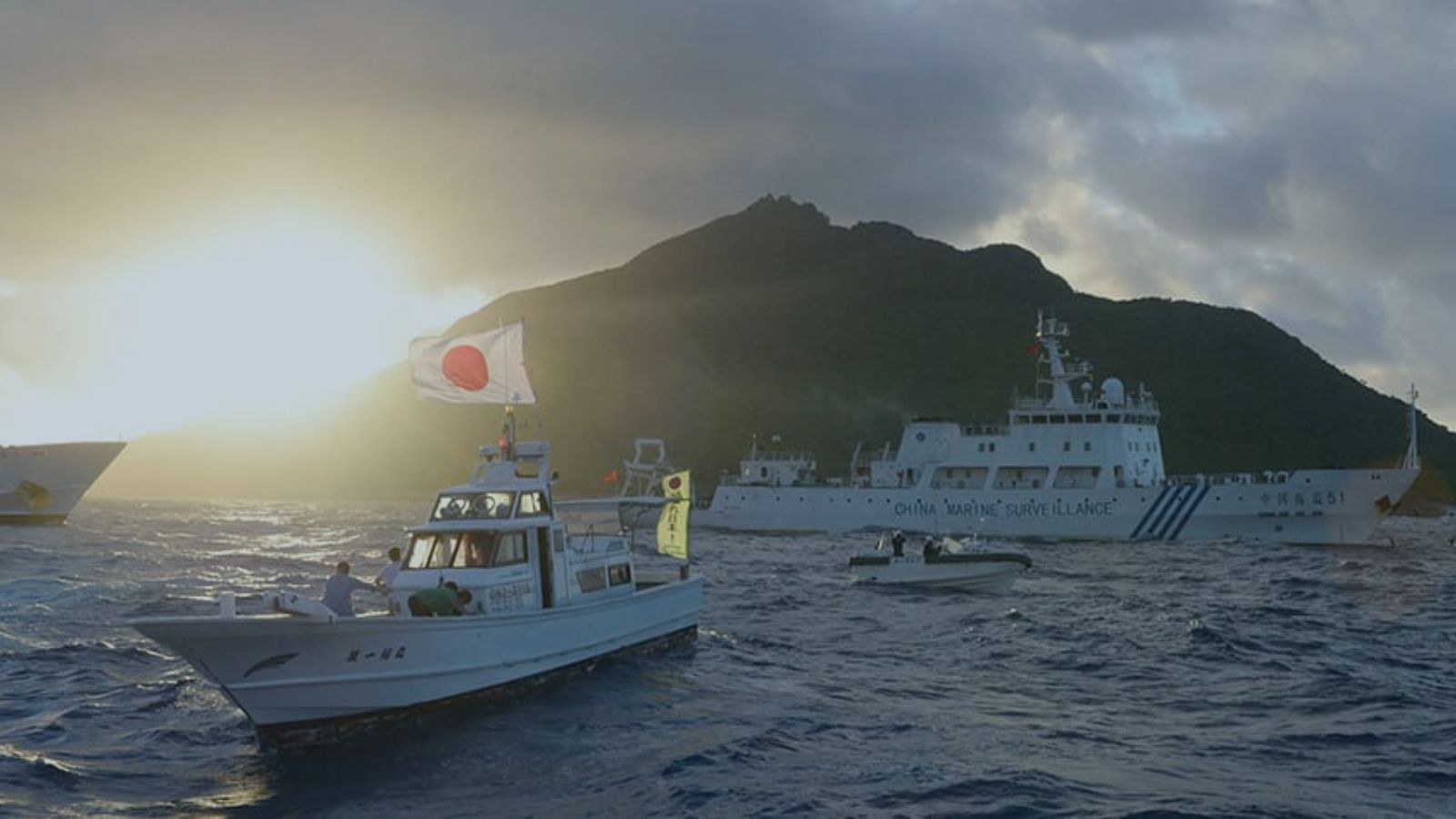


In this third instalment from the the APLN-VERTIC special report series, Kyoko Hatakeyama, Professor of International Relations at the University of Niigata Prefecture, surveys existing maritime confidence building measures (CBMs) in Northeast Asia, with a particular focus on the Maritime and Air Communication Mechanism (MACM) between China and Japan, which was set up in 2018 to avert accidental clashes at sea and in the air.
Click here to download the full report
The report pinpoints sovereignty and territorial disagreements between China and Japan as a likely source of conflict in the region and highlights the disputed Senkaku Islands as a particular area of concern. Maritime incidents are likely to persist, given that territorial disputes will continue to be contentious, and China’s grey zone activities are increasingly difficult to monitor and respond to. Until these issues can be diplomatically resolved, a combination of confidence building measures and crisis communications are key to slowly building the trust and mutual understanding that will stop crises from escalating into all-out conflict. Professor Hatakeyama argues maritime CBMs like the MACM can be made more effective by making them legally binding and extending them to inlcude civilian maritime agencies like coast guards and fishing vessels, that operate in territorial waters.
In the report, Professor Hatakeyama suggests that while CBMs might not necessarily curtail the number of maritime incidents in the region, continued confidence building measures and crisis communications have the potential to significantly lower the risk of a major incident and large-scale military conflict and promote cooperation between the two Asian nations.