
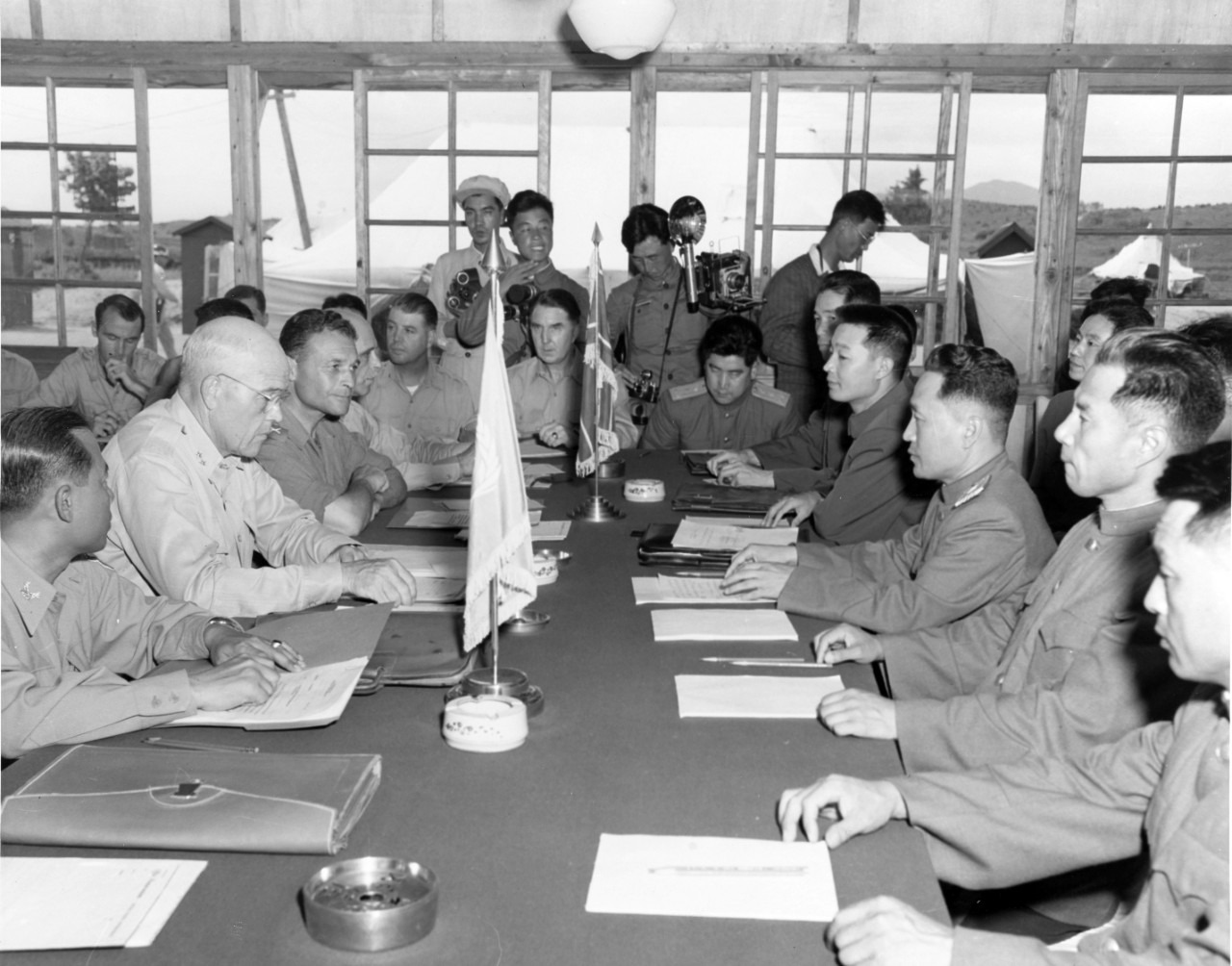


70 years after the signing of the Armistice Agreement, the Korean Peninsula remains in a state of war. With military provocations on the peninsula becoming increasingly frequent and dangerous, concerned parties – North Korea, the United States, China, and South Korea — urgently need to negotiate an end-of-war declaration. These negotiations are complicated by the conflicting needs and concerns of the four parties. Chief among them is Washington’s insistence on the complete and verifiable denuclearization of North Korea, which remains the greatest obstacle in negotiating an end to the Korean War. If the US can adopt a more flexible stance on this issue and aim for a more moderate arms control strategy, it is much more likely that the parties can arrive at an end-of-war declaration. However, progress should not stop at an end-of-war declaration. It is important that countries seize the opportunity to take further steps to ensure long-term peace on the peninsula, such as through signing a legally-binding peace treaty.