Maritime Incidents and Escalation in the Asia-Pacific
Maritime Incidents and Escalation in the Asia-Pacific
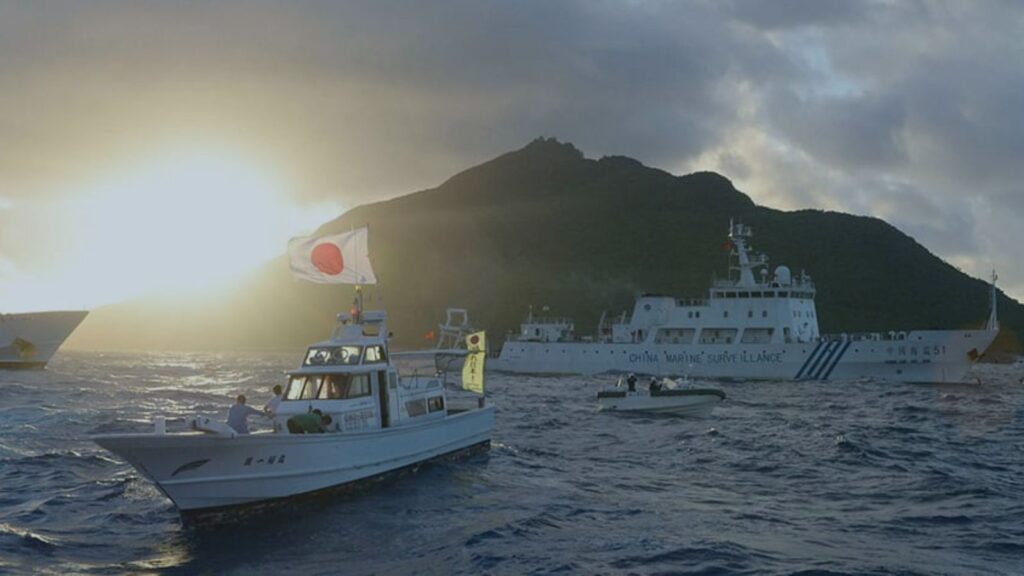
The Maritime Incidents and Escalation in Asia-Pacific project seeks to identify the risks of dangerous maritime incidents in the Asia-Pacific; evaluate the suitability of existing existing bilateral and multilateral arrangements to current strategic realities in the Asia-Pacific; bring forward new proposals to fill important gaps; and help promote effective mechanism for managing and mitigating incidents and escalation at sea. The project is a collaboration with the Verification Research, Training and Information Centre(VERTIC) and is supported by the United States Department of State.
Maritime Incidents and Escalation in the Asia-Pacific
Over 80 members of the Asia-Pacific Leadership Network warn that a return to nuclear testing threatens global stability and call upon all nuclear armed states to reaffirm
Adil Sultan argues that all nuclear-armed states, including India and Pakistan, must conduct regular nuclear ‘fail-safe’ reviews to build confidence, reduce risks of miscalculation or accidents, and prevent escalation during crises.
Kazuko Ito argues that Japan, as the only country to have suffered from nuclear warfare, must take a leading role in preventing nuclear war and achieving a nuclear-free world by joining the TPNW, emphasising the growing need for global nuclear disarmament.
Kazuko Hikawa explores how the Pact for the Future’s emphasis on solidarity is hindered by its lack of concrete solutions and the divisive dynamics of global politics and economics, and suggests Christian Felber’s “Economy for the Common Good” as a framework to prioritize cooperation and shared human values.
An APLN-VERTIC feasibility study report summarising the findings of the joint project and discussing confidence and security building options for the future.